A Market in Transformation
The GCC food import market — spanning Saudi Arabia, UAE, Qatar, Kuwait, Bahrain, and Oman — continues to grow at approximately 5–7% annually, driven by population growth, tourism, and hospitality expansion ahead of several major regional events in 2026.
Key Demand Drivers
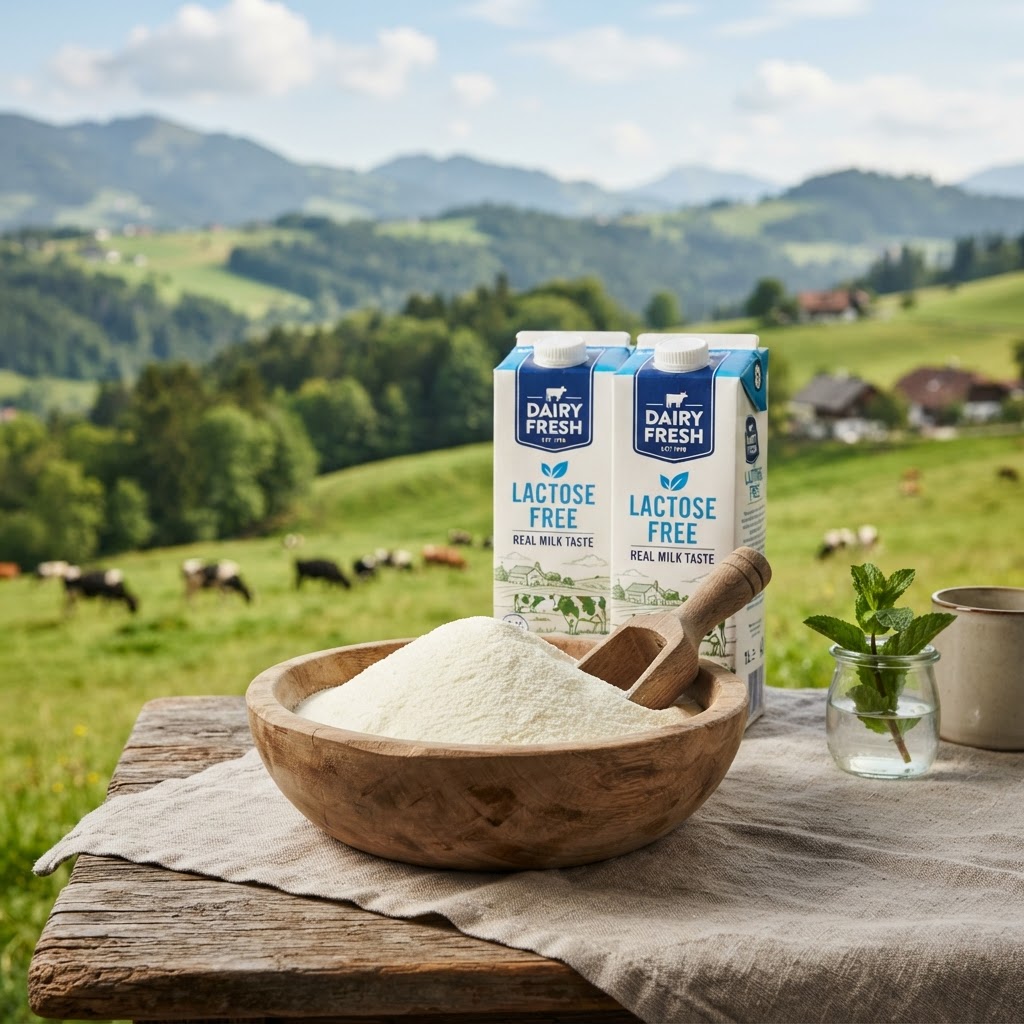
Dairy ingredients remain the dominant import category, with Saudi Arabia alone importing over 300,000 MT of milk powder equivalents annually. UAE's food manufacturing sector is increasingly demanding functional dairy ingredients such as whey protein concentrates and caseins.
Plant-based proteins are seeing nascent but growing demand, particularly in UAE and Qatar where health-conscious consumer segments are expanding. Soy isolates and pea proteins are gaining traction in sports nutrition and food fortification applications.
Food Additives demand is driven by the region's large-scale processed food manufacturing base. Stabilisers, emulsifiers, and preservatives with halal certification command strong premiums.
Regulatory Considerations
All food imports into GCC markets require valid halal certification, clear country-of-origin labelling, and Arabic language packaging. EU exporters should verify Gulf Standards Organisation (GSO) compliance ahead of shipment.
Foodiglobal's Role
We support buyers and sellers navigating the complexity of GCC food trade — from documentation to logistics. If you're exploring opportunities in the Middle Eastern market, our team is ready to assist.