The Shift Toward Lactose-Free
Lactose intolerance affects an estimated 68% of the global population to some degree, with prevalence particularly high across Asia, the Middle East, and parts of Africa and South America. For decades, the standard response was simply to avoid dairy. That is changing — fast.
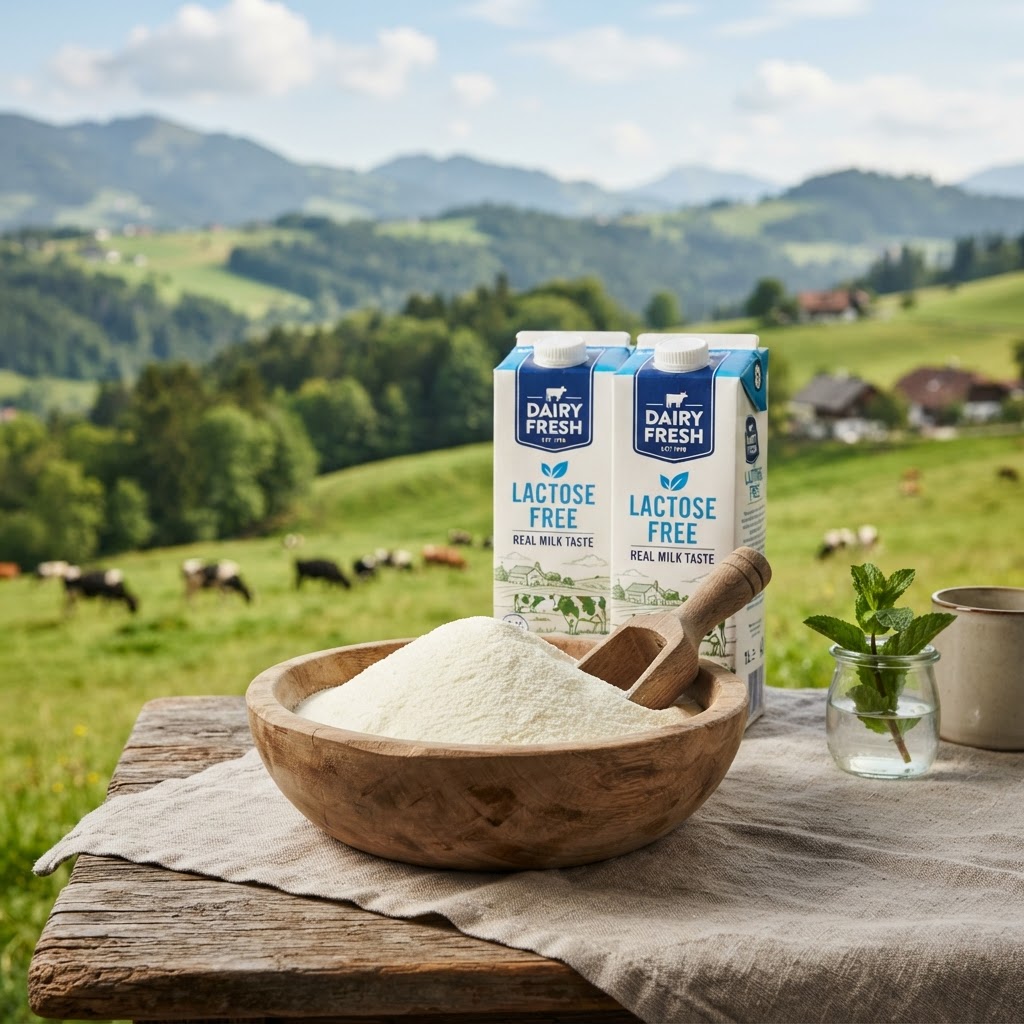
Driven by booming gut health awareness, consumers are no longer walking away from dairy altogether. Instead, they are choosing lactose-free alternatives that deliver the nutritional benefits of milk — protein, calcium, vitamins — without the digestive discomfort.
Why Gut Health Is Driving Demand
The conversation around digestive health has exploded over the past few years. Social media, wellness influencers, and clinical research have all pushed gut health to the forefront of consumer consciousness. Key factors behind the lactose-free surge:
- Lactose intolerance recognition — More people are identifying their symptoms and actively seeking alternatives rather than suffering in silence.
- Gut microbiome trend — Lactose-free dairy is perceived as gentler on digestion, aligning with broader probiotic and microbiome-friendly eating habits.
- Clean-label positioning — Lactose-free milk is seen as a genuine dairy option compared to plant-based alternatives, appealing to consumers who want animal protein without the digestive issues.
- Mainstream retail availability — Major supermarkets now stock lactose-free SKUs alongside standard dairy, normalizing the category.
Demand Growth Since 2024
The lactose-free dairy market has seen consistent double-digit demand growth since 2024. Globally, the category was valued at approximately USD 18 billion in 2024 and is projected to grow at a CAGR of 8–9% through 2030.
In Europe and North America, lactose-free milk now accounts for 6–10% of total fluid milk sales in several markets — a figure that was barely 2–3% a decade ago. Asia-Pacific is the fastest-growing region, driven by high lactose intolerance prevalence and rising disposable incomes.
Prices: Steadily Climbing
Demand has outpaced processing capacity in some regions, and prices have responded accordingly.
- 2024: Lactose-free milk powder traded around €3,200–€3,800/MT, a moderate premium over standard skimmed milk powder.
- Mid-2025: Prices moved to €3,800–€4,600/MT, reflecting both demand pressure and elevated raw milk costs across Europe.
- 2026: Indicative spot pricing sits at €4,200–€5,000/MT, representing an increase of roughly 25–35% since 2024.
The premium over conventional milk powder has widened slightly, driven by the additional enzymatic processing (lactase hydrolysis) required and strong buyer competition for certified lactose-free supply.
Outlook
Lactose-free dairy is no longer a niche — it is a structural growth category inside the broader dairy sector. With gut health awareness still rising and new processing technologies improving taste and affordability, demand is expected to remain strong through the decade. For buyers, the key challenge is securing consistent supply at predictable pricing in a market where processing capacity is still catching up with consumer appetite.